Packaging needs to be designed for the products that will be placed in it. The products must stay secure. The packaging design should also draw people towards it and impress them so that they are convinced to buy the product.
There are many packaging types available, with rigid packaging trending and being popular with many brands. These boxes enhance the appeal of the products placed in them whilst protecting them at the same time. They are used by brands to get the attention of potential customers. The packaging is versatile and can be made to suit the product whilst promoting the values of the brand.
The following is a comparison between rigid boxes and cartons:
Packaging material
A brand must find a box that is durable and strong and which will protect the product in it effectively. If the box is weak and breaks, but is designed in an attractive way, people will not be impressed and will not be confident to buy the product.
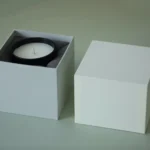
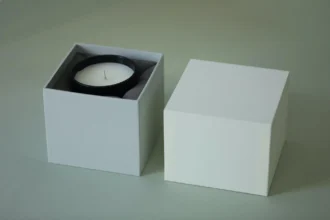
To make sure items reach customers in good condition, brands are choosing rigid packaging. Rigid material tends to be harder than normal packaging materials. The box can enhance the security of the items packaged in it.
Superior packaging made with high-quality greyboard or chipboard will ensure no harm occurs to the product, and customers will receive it in good condition, free from damage. The product stays safe in a sturdy box, and customers are pleased that the product is not damaged when they receive it.
Rigid material is unbending and durable. It maintains its shape. Cartons are mostly made with paperboard or lightweight corrugated fiberboard. Paperboard is a single, dense layer of compressed paper. It is not as rigid and strong as rigid boxes.
Customized packaging design
To end up with perfect packaging, a brand should make sure the box is the right size and shape, ensuring the product fits comfortably in it. The packaging can be customized so that the product remains stable in it.
The box will not be too large or extremely small either. Customers are pleased with packaging like this as the product remains safe in it and the brand even has fewer returns.
When the box is opened, people are impressed with the orderly and professional way the items are presented as they remain in place. Custom inserts are useful as well to hold fragile and expensive products in place and to separate products.
A brand can add custom foam or velvet inserts, or it may include cardboard inserts which hold the items in more securely so that they do not mix.
Cartons and rigid boxes are both customizable and can be made to suit the product being placed in them.
Versatile packaging
These boxes are versatile as they can be designed in a unique way and package a range of products. A brand can design the box to let people know what type of product they will find in it.
Colors give people a certain feeling and let them get an idea of what the brand values. They should therefore be used carefully and strategically to impress people. For instance, a brand that is a high-end brand packaging premium products will add shades like matte black, gold, rose gold, pastels, etc. on the box to give people an image of elegance.
Brands design the box by including only important information on it so that it is not overcrowded with too many details that end up confusing people. Minimalism is trending as it makes the box look more attractive and elegant, and people can easily understand it.
Any information that a brand adds on the box will be readable and will be included in a font that looks premium with the overall packaging design. A scannable QR code can be incorporated into the packaging design so people will know what the brand is selling and what it believes in. This is because the QR code often leads people to the brand’s website or social media pages.
Both packaging types can be designed to stand out and according to the needs of the brand. However, rigid boxes are designed in a more high-end way.
Aesthetically appealing finishing impacts
Finishing impacts have become an important part of the overall packaging design, as they make the box look more elegant and high-end, so people are drawn to it and want to buy the product. The perceived value of the product increases with these impacts as well because people think it is expensive.
A brand can add a matte, soft texture linked with luxury if it is packaging a high-end product. Texture engages consumers and makes them interact with the box for longer.
Embossing or debossing is common as well. The impacts raise or indent part of the box design make it stand out and look more outstanding. Rigid boxes often include finishing touches unlike cartons.
Branding purposes
These boxes are used to market the brand in the competitive market as they stand out and draw people to them. This is because of the strong structure and the unique design of the box.
Brands also design them with brand information, which lets people know about the company selling the product. A consistent brand logo and brand colors are added to the box and brand colors as well.
Consumers can use these details to recognize the products the business is selling and even see the brand as a professional one in the market.
Rigid packaging is strong, versatile, and designed to appeal to the target audience. The packaging can therefore give people a positive impression and convince them to try out the product. Cartons are lighter and not as durable as rigid boxes. They can be used to package everyday items.